
Finding Upper St. Clair Township Residents
Upper St. Clair Township has no one public roll that proves every person at every address. The county property system is the practical opening for a known house or parcel. A court docket can corroborate a named party, and a marriage, estate, archive, or local-history source can extend a historic trail. Each record answers a narrow question. Parcel information is useful for assessed ownership and address context, while a deed names parties to a transfer. Neither should be treated as a complete household list.
Begin with the detail already tied to the question. A house number and street work best in the property portal. A full name, approximate date, and county help with a public docket. A year, road, former farm, or surname is more useful to the Historical Society than a broad request to locate a person. The Upper St. Clair Township residents directory works best as a chain of limited confirmations, not as a single answer screen.
- Search the county portal by street address or parcel number, then record the parcel ID and physical location.
- Check the recorded-document route for a deed or plan when ownership history or legal description matters.
- Compare a known name with a public UJS docket, using Allegheny as the county filter and checking more than the surname.
- For past households, ask the library or archival repositories about dated directories, maps, photographs, and local files.
- When a record is not online, contact the custodian or make a narrow Pennsylvania Right-to-Know Law request for an existing agency record.
Upper St. Clair Township Records Offices
Most current Upper St. Clair Township resident records are held outside the Township by Allegheny County or Pennsylvania offices. The county separates assessment work from recorded land documents, while the Department of Court Records handles court divisions and the state manages the voter-status route. The Township remains important for retained municipal material, including a targeted request for a permit, inspection, or meeting record. For a street-by-street parcel process, use the Upper St. Clair Township street records route.
Allegheny Division of Real Estate
County Office Building, Room 101
542 Forbes Avenue, Pittsburgh, PA 15219
412-350-4226
Allegheny Property Assessments
County Office Building, Room 347
542 Forbes Avenue, Pittsburgh, PA 15219
412-350-5024
Pennsylvania voter services
State voter registration route
Allegheny elections serves Township voters
1-877-VOTESPA
Upper St. Clair Township Parcel Search
The free Allegheny County Real Estate Portal begins with an address or parcel number, not a countywide owner-name query. For an address, enter the house number and street name without a suffix such as Street or Drive. The municipality selector is optional, but choosing Upper St. Clair can narrow a common road. If only the street is known, the portal can show candidates. The alternative parcel-number path is helpful when a prior record has the county identifier.
| County portal field | How to use it | Upper St. Clair Township note |
|---|---|---|
| Search by Address | Choose the public address route | Use house number and street name together when known. |
| House Number | Enter the numeric street number | Leave no unit-based inference about other households. |
| Street Name | Enter the name without a suffix | A street-only search can return possible matches. |
| Municipality | Select Upper St. Clair when useful | The field is optional and narrows county results. |
| Parcel Number | Use the alternate parcel route | County assessment materials use a 16-digit parcel number. |
The county property-search screen shows the address and parcel entry routes used for this Upper St. Clair Township residents directory.
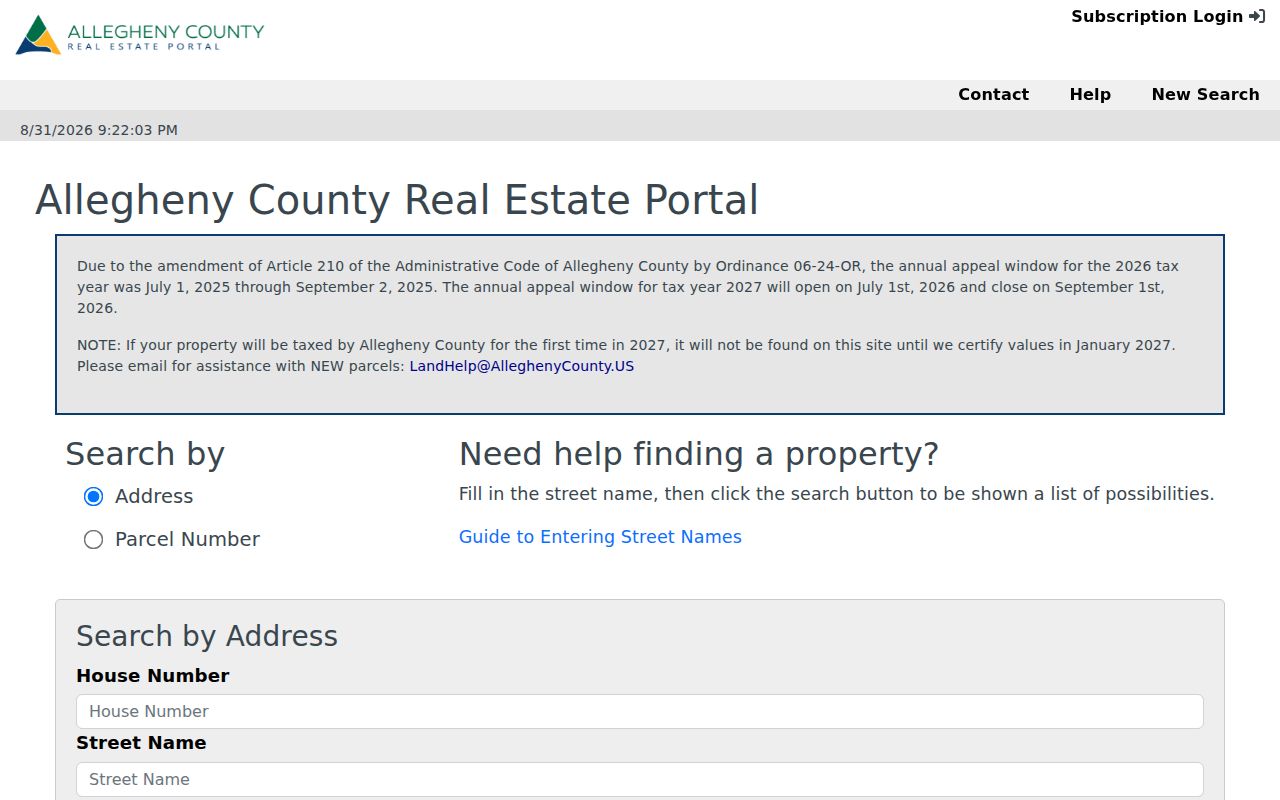
That entry screen is a starting point for a parcel record, not a directory of all residents by name.
Three Upper St. Clair Township Addresses
One county parcel can carry three address concepts. The physical property location, often called the situs, tells where the parcel lies. Owner mailing is where assessment-change and appeal notices go. Tax mailing can differ again when taxes are handled through an escrow arrangement. That distinction is especially important when using the Upper St. Clair Township residents directory for an address question. A mailing address is a contact clue. It does not establish that its recipient lives at the parcel or that every resident has been identified.
- Parcel
- A county identifier for a defined piece of land, used to connect assessment and map material.
- Situs address
- The physical property location, which is the best address anchor for a parcel search.
- Owner mailing
- The address used for owner notices. It can be different from the situs.
- Tax mailing
- The billing address for taxes, which can be different from both the situs and owner-mailing address.
County guidance also offers a Property Record Card when the public page does not supply enough assessor detail. The county FAQ routes requests to LandHelp@AlleghenyCounty.US without charge by email, or to the copy desk at 25 cents per page. Verify the current process before relying on it.
Upper St. Clair Township Deed Trails
The Division of Real Estate records deeds, mortgages, satisfactions, powers of attorney, subdivision plans, bonds and commissions, plus some restricted military-discharge material. Its public portal was verified only as a Search and Results landing route, so its fields, result limits, image access, and online start year should not be assumed. When the web route does not answer the question, Room 101 offers the counter alternative. Deed and plan copies are available through 412-350-4224, and deed mapping or registry questions go to 412-350-3999.
A deed can connect a grantor, a grantee, a recording reference, and legal-description language. It does not show every later living arrangement. The county recorded-document portal is the online entry point for this part of an Upper St. Clair Township residents directory search.
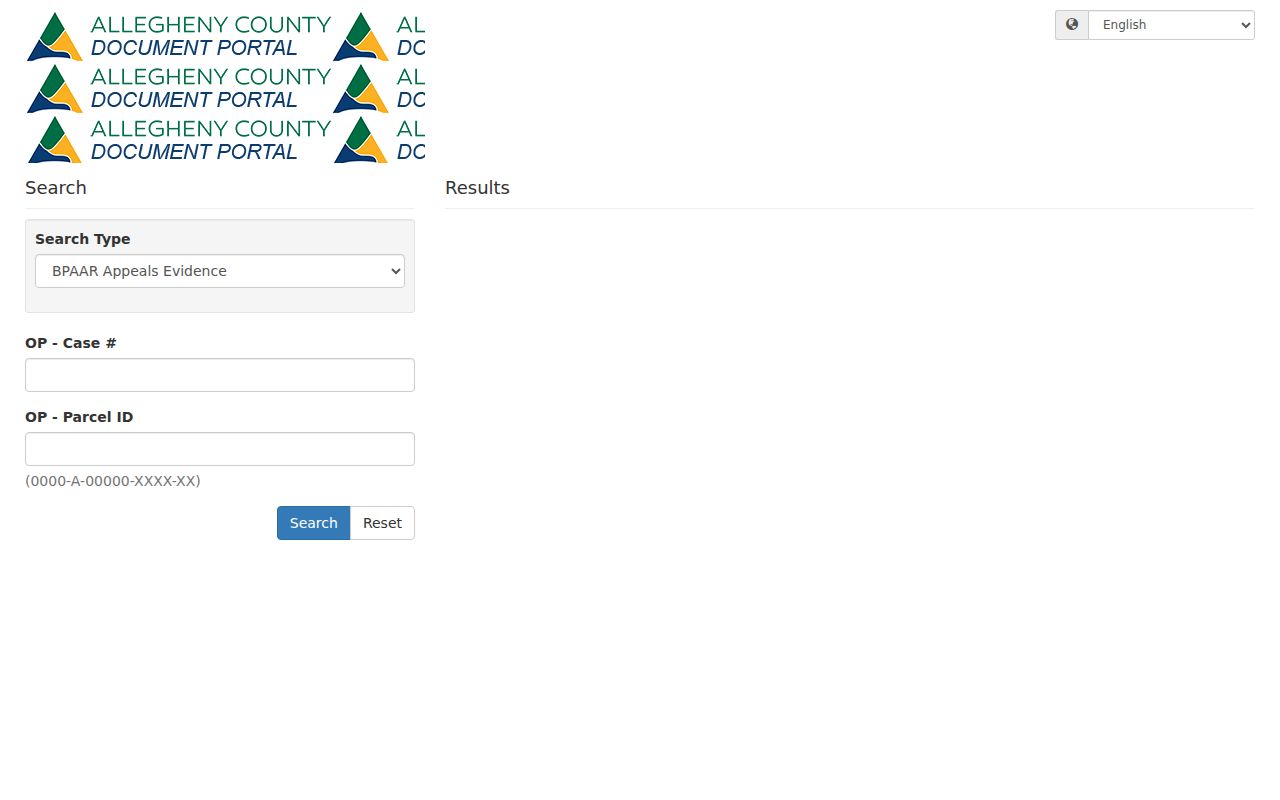
For a much older parcel trail, the Pennsylvania State Archives guide identifies Allegheny grantor and grantee deed-index microfilm from 1788 through 1904.
Upper St. Clair Township Court Checks
For a named person, the free Pennsylvania UJS Case Search is the public docket entrance. Select Participant Name, enter the last name and first name, choose Allegheny as the county, and then open the docket sheet with the magnifying-glass control. Public output can identify a docket number, court, parties, filing or action dates, case type or charges where public, disposition lines, and scheduled actions. It is a docket index, not a complete clerk-held file or a present-address record.
Check a common name against a middle initial, dates, municipality, case detail, parcel result, or another independent official source. Sealed material, protected information, and records removed under retention rules may not appear. Civil and Family questions go to 412-350-4200, criminal questions to 412-350-5322, and Wills and Orphans matters to 412-350-4180.
The UJS public docket interface is pictured here as a name-confirmation source for Upper St. Clair Township residents.
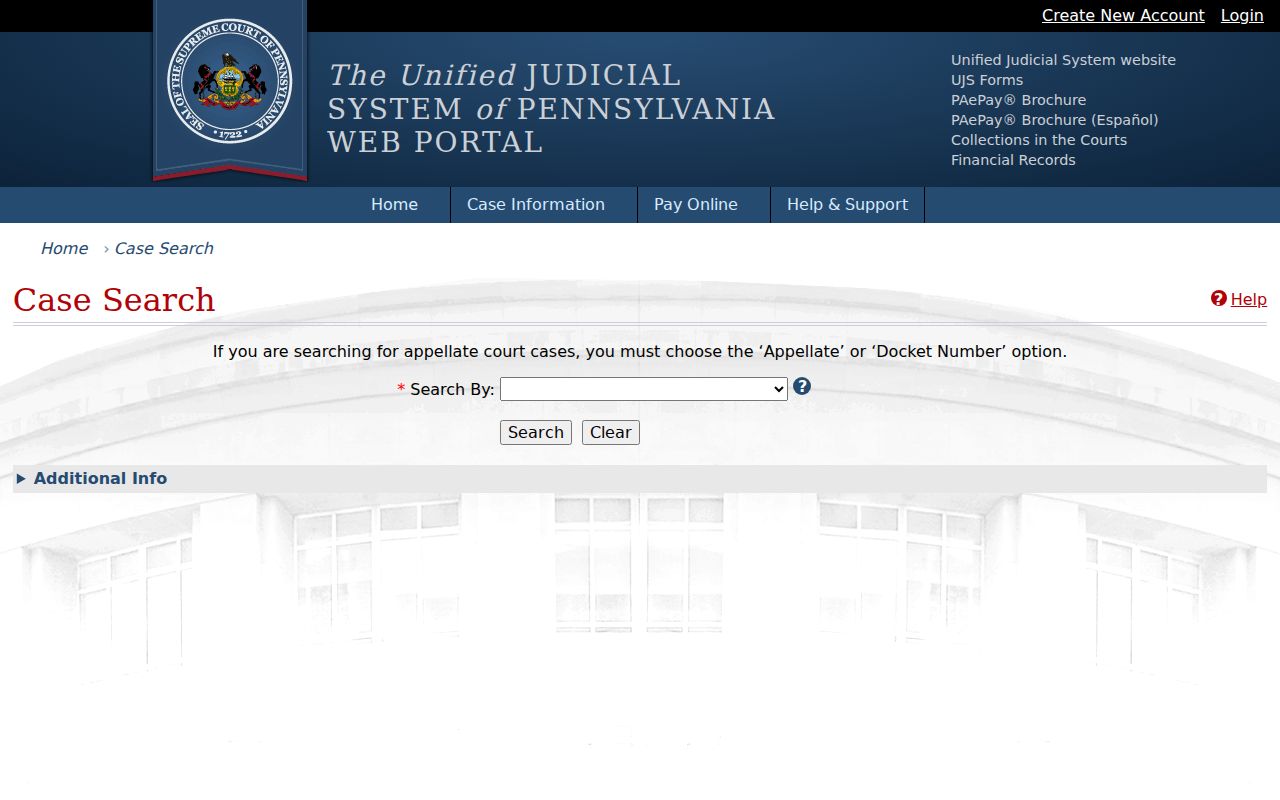
A docket match should lead to a careful identity check, not a conclusion based on one similarly named party.
Upper St. Clair Township Voter Status
Pennsylvania’s Find Voter Registration Status form is designed for a person to check their own registration. It is not a street directory or a general person-name browser. The state also directs callers to the county registration office or 1-877-VOTESPA. The public-information list follows a different process. Under the Election Code, a requester identifies themselves and gives a written statement that the information will be used only for the permitted election, political, or law-enforcement purposes.
The full voter export described in the state form can contain defined elector fields, but that does not convert it into a casual Upper St. Clair Township residents directory. Protected participants can use a substitute address. A no-match can reflect a changed name, former address, inactive status, a move, a protected address, or a lookup issue.
The official voter-status entry point is shown below for the self-status route.
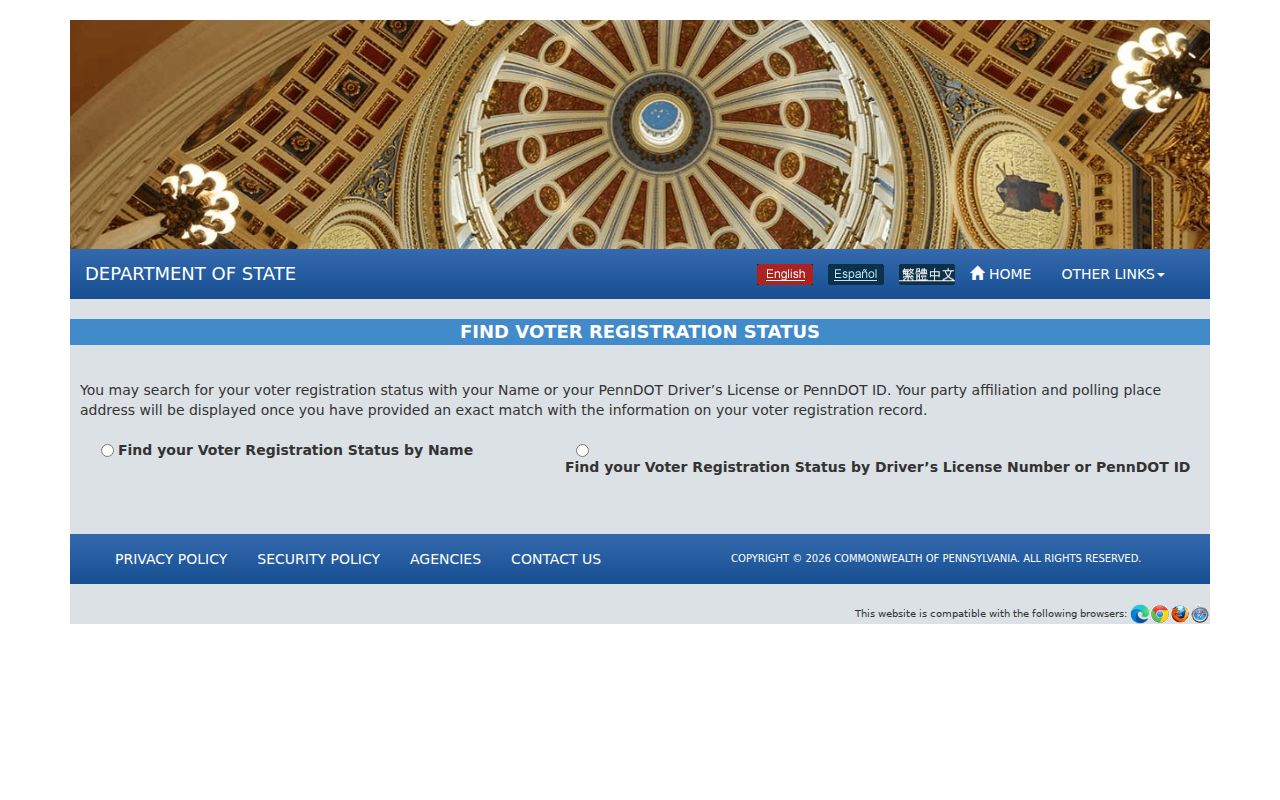
Use the county elections office or the formal state request process for questions that the individual-status screen cannot answer.
Current Upper St. Clair Township Sources
Current sources in the Upper St. Clair Township residents directory have different scopes. The property portal is strongest for a parcel and assessed owner history. The court index is a docket source. Marriage and estate records can support a dated family connection, while the Historical Society supports local context. No source below claims to list every Township household.
| Upper St. Clair Township source | Best use | Custodian | Access boundary |
|---|---|---|---|
| Real Estate Portal | Address, parcel, assessment and owner-history categories | Allegheny Property Assessments | Free by address or parcel; owner-name search is paid. |
| Recorded documents | Recorded parties, deeds, plans, and legal-description trail | Division of Real Estate | Portal or Room 101; web fields and coverage need checking. |
| UJS public docket | Public court-name context | Pennsylvania courts | Sealed, restricted, or retention-removed records can be absent. |
| Marriage and estate path | Dated family or probate lead | Allegheny Department of Court Records | Marriage records are public to view from 1885; online route begins in 1996. |
| Historical Society files | Roads, houses, families, schools, maps, and local context | Historical Society of Upper St. Clair | Contact the repository for unscanned material and terms. |
When the goal is to verify one named person rather than follow an address, the Upper St. Clair Township resident lookup uses those sources in a tighter confirmation order.
Upper St. Clair Township Requests
When an online index is thin or does not return a match, use the access channel that fits the record. The Township Agency Open Records Officer is Matthew R. Serakowski, listed by the Pennsylvania Office of Open Records at 1820 McLaughlin Run Road, Upper St. Clair, PA 15241, with the Township main number 412-831-9000. A targeted request can ask for an existing permit, plan, inspection, certificate, enforcement file, or meeting record by street address and approximate date. No official public Township permit-search portal was verified.
Pennsylvania’s Right-to-Know Law provides a normal five-business-day written response period. A qualifying interim response can extend the final response up to 30 calendar days. A request should identify the existing record, date range, street, parcel, or case identifier, preferred format, and a contact method. It does not require an agency to create a record, disclose an exemption, or route a Common Pleas file away from its court division.
The Pennsylvania RTKL guidance shows the state’s request route for an Upper St. Clair Township records fallback.
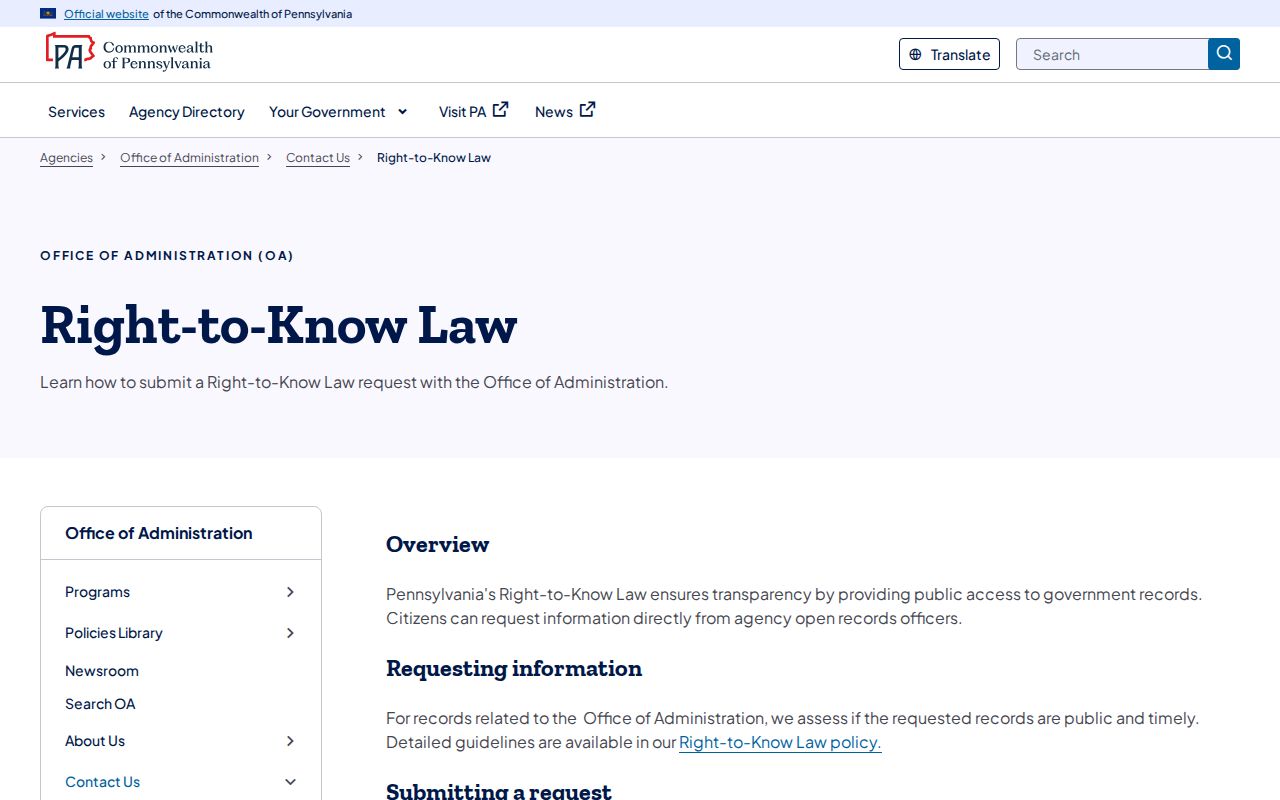
A specific request is more likely to identify a responsive record and lets the custodian explain fees, exemptions, or available formats.
Upper St. Clair Township Records Geography
Upper St. Clair Township is a South Hills home-rule township, so the records geography is split by function. Township government and the Township Library share the 1820 McLaughlin Run Road address. County assessment, recording, court, elections, and many archival routes operate in Pittsburgh or at statewide offices. The county community profile describes 9.95 square miles of hilly, wooded terrain with four stream floodplains. Those facts help explain why a parcel can connect municipal, county, school-district, and postal information without making them the same record system.
The county property and real-estate hub ties together assessment, copies, recording, and property-fraud resources. It also promotes a Property Fraud Alert that emails a user when a land-records document is recorded with a requested name. An alert is a prompt to obtain the official record and check it, not proof of a bad filing.
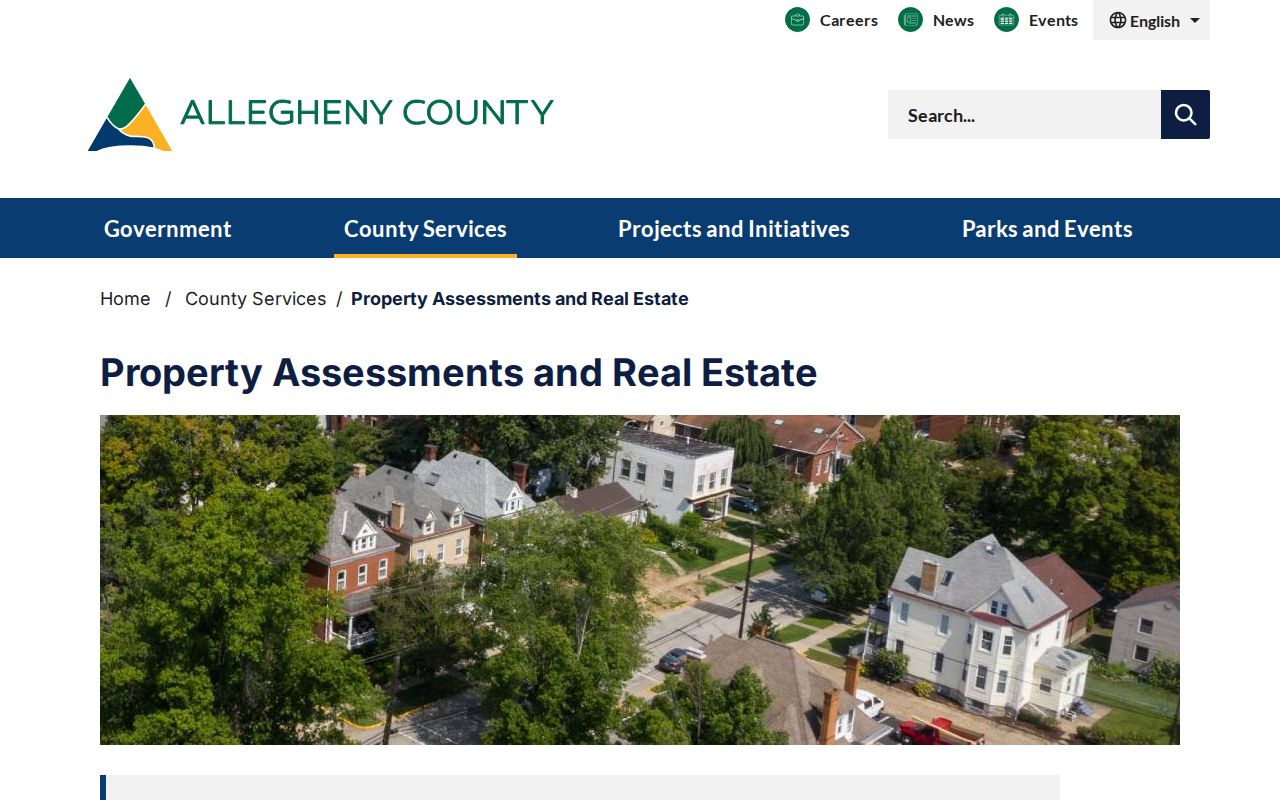
For property questions, use the county office or portal named for the record instead of assuming that a Township office holds every county record.
Historical Upper St. Clair Township Directories
Historic Upper St. Clair Township research reaches beyond a printed directory. Historic Pittsburgh provides digitized Pittsburgh and former Allegheny City city directories from 1837 through 1930, with gaps. A Township researcher should verify whether a specific volume actually covers the address or household before treating a missing entry as meaningful. Later metropolitan directories may be available through the Carnegie Library of Pittsburgh Pennsylvania Department or the Heinz History Center Detre Library and Archives. The Township Library is a FamilySearch affiliate location at 1820 McLaughlin Run Road.
The Historical Society of Upper St. Clair is the most local shelf in the trail. Its digitized collection and broader files include photographs, maps, oral histories, papers, correspondence, clippings, houses, roads, schools, families, and organizations. Ask with a surname, road, farm, subdivision, plan, time window, or format in mind. The Upper St. Clair Township city-directory collections explain how to read that historical material alongside released census and deed sources.
Upper St. Clair Township Privacy Limits
An official result can be incomplete for valid reasons. Court records can be sealed. Vital records are restricted before their statutory maturity periods. A protected voter or Pennsylvania Address Confidentiality Program participant can use a substitute address. The county parcel record does not reliably identify every occupant, child, visitor, or person connected with a dwelling. A missing result may also reflect a name variant, a former address, limited coverage, retention rules, or a record held at a counter rather than online.
Lawful personal research. Use Upper St. Clair Township records for family history, estate questions, civic curiosity, or a property concern, and never to stalk, harass, or harm another person.
Confirm important details with the custodian. The Pennsylvania Address Confidentiality Program is part of a safety plan for eligible participants and can affect voter, court, state, vehicle, school, marriage, and utility records. Respect any protection or redaction rather than trying to work around it.